Summary
Choosing a ski for beginners comes down to three essentials: the right length, a forgiving flex, and a shape designed for control rather than speed. Beginner skis are built to be lighter, easier to turn, and more stable at slower speeds, which helps new skiers build confidence quickly. The best skis for beginners prioritize balance and predictability over aggressive performance, making learning smoother and safer.
Skiing is equal parts sport and choreography, where balance, timing, and trust in your equipment all share the stage. For beginners, the wrong skis can feel like dancing in dress shoes on ice. The right pair, however, turns uncertainty into rhythm. This guide breaks down how to choose a ski for beginners so your first runs feel intentional rather than improvised.
Ski length, flex, and control fundamentals
Ski length is the first decision that quietly dictates your learning curve. Beginner skis are typically shorter than advanced models, landing somewhere between your chin and nose. This shorter length makes turning easier and reduces the effort needed to control speed.
Flex matters just as much. Softer skis bend more easily, which allows beginners to initiate turns without brute force. A forgiving flex also absorbs terrain chatter, keeping skis stable instead of hard to control.
When evaluating beginner skis, focus on control-friendly traits:
- Shorter length for maneuverability
- Softer flex for easier turn initiation
- Lightweight construction to reduce fatigue
- Moderate sidecut for smooth, predictable arcs
These elements are common across the best skis for beginners because they emphasize learning efficiency rather than raw performance.
Ski types and terrain compatibility
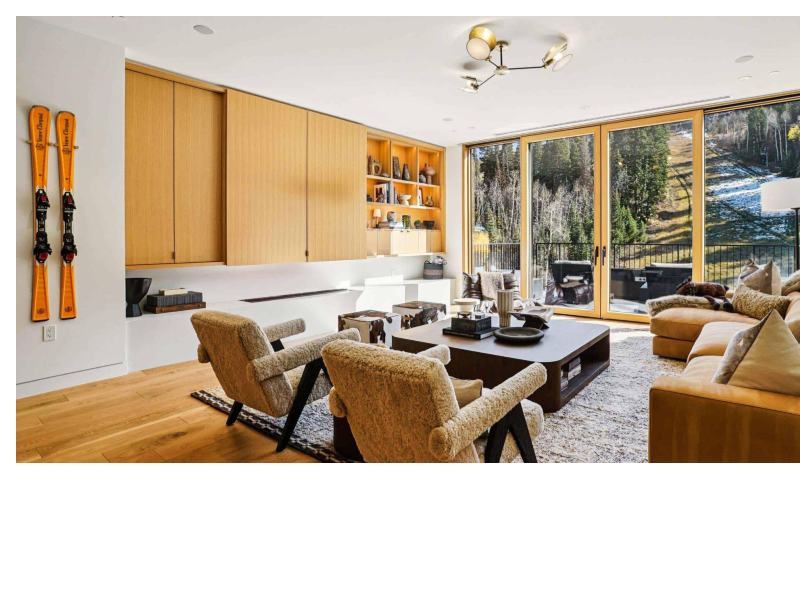
Not all beginner skis are created equal, especially when terrain enters the picture. Resorts and mountain communities like those surrounding Founders Place Utah highlight the importance of choosing skis that match groomed runs and mixed conditions rather than extreme terrain.
Beginner-friendly skis typically fall into all-mountain or frontside categories. These skis are designed to perform reliably on groomed slopes while handling light powder or variable snow without drama.
| Ski Type | Ideal Terrain | Why It Works for Beginners |
| Carver skis | Groomed trails | Easy edge control and smooth turns |
| All-mountain skis | Mixed resort terrain | Versatile and forgiving |
| Rental beginner skis | Learning zones | Optimized for stability and comfort |
| Twin-tip beginner skis | Light freestyle zones | Adds playfulness without sacrificing control |
This balance is why ski schools and destination resorts often recommend all-mountain skis as a starting point.
Boots, bindings, and setup strategy
Skis alone do not carry the day. Boots and bindings are the unsung pit crew of your setup. Boots should fit snugly without pain, offering enough flex to bend at the ankle while maintaining lateral support.
Bindings for beginners are usually set with lower DIN values, allowing for safer release during falls. Proper professional mounting ensures the ski flex behaves as designed and reduces injury risk.
When assembling a beginner ski setup, prioritize:
- Comfort-first boot fitting
- Bindings calibrated to weight and ability
- Professional mounting and alignment
- A setup designed to grow with skill, not outpace it
This holistic approach ensures your equipment supports progress rather than resisting it.
- A stronger sense of local mountain culture
Want a stay that delivers both luxe relaxation and non-stop mountain mood, even on non-ski days? Contact Founders Place today to reserve your luxury home in Deer Valley. Call us at 435-602-0904 or email foundersplaceres@eastwest.com for availability and concierge-style planning.
FAQ
- What length skis are best for beginners?
Most beginners do well with skis that reach between chin and nose height for easier turning. - Are expensive skis better for beginners?
Not necessarily. Beginner skis prioritize forgiveness and control over high-end materials. - Should beginners buy or rent skis?
Renting is ideal at first, but buying becomes a more sensible option once you ski regularly. - What does ski flex mean?
Flex refers to how easily a ski bends; softer flex skis are easier to control for beginners. - How long does it take to outgrow beginner skis?
Many skiers use beginner skis for one to three seasons before upgrading.
Recharge Off the Slopes
If you don’t ski, resorts still offer wonderful wellness experiences so you can rest and rejuvenate.
- Enjoy spa services: facials, massages, steam rooms, or infrared saunas help soothe muscles and calm the mind.
- Use heated pools and hot tubs: Founders Place offers a year-round heated pool and hot tub with mountain views to soak away winter’s chill.
- Try yoga or mindfulness classes: The Polly amenity building at Founders Place has a multi-purpose yoga room that’s ideal for stretching, meditation, or group wellness sessions.
Bonus Ideas to Relax:
| Amenity | Best Time/Use | Why It Feels Special |
| Hot tub & outdoor heated pool | After a chilly outdoor adventure or in the evening | Stars, cold air contrast, muscle relief |
| Yoga / Meditation | Early morning or late afternoon | Quiet time, gentle movement, balancing energy |
| Fireplaces / Cozy Lounges | Evening / Après-ski hours | Warmth, ambiance, opportunity for reading or games |
Adventure & Local Flavor: Explore Without Skis
Yes—you can still feel like part of the mountain action even without skis.
- Go on scenic rides: gondola or chairlift rides give sweeping views of peaks and valleys—great for photos or simply breathing in alpine air, like on Vail’s gondolas.
- Snowshoeing / cross-country or fat-tire biking: for those who want movement without skis, these are trending alternatives. Trails in places like Vail Nordic Center or around Vail Pass are well suited.
- Local culture & culinary experiences: explore nearby villages, art galleries, wine or cocktail tastings, boutique shops, live music or performing arts events to taste the region’s character.
Want a stay that delivers both luxe relaxation and non-stop mountain mood, even on non-ski days? Contact Founders Place today to reserve your luxury home in Deer Valley. Call us at 435-602-0904 or email info@foundersplace.com for availability and concierge-style planning.
FAQ
- What is “après-ski”?
Literally “after ski” in French—it refers to social, dining, or relaxing activities you enjoy once official skiing is done for the day (hot drinks, cocktails, live music, spa time, etc.). - What is “ski-in / ski-out”† and why does it matter if you’re not skiing?
Ski-in/ski-out means the lodging is directly adjacent to or very close to ski lifts/slopes. Even if you don’t ski, it matters because it often means premium views, convenient access to mountain scenery and amenities, and a central base for walking, gondolas, or shuttle services. Founders Place has ski-in/ski-out residences. - What are fat-tire bikes?
Bicycles with oversized tires designed for traction on snow or soft terrain—great for exploring winter mountain trails without skis. - Are the amenities at Founders Place usable if you don’t ski?
Absolutely. Founders Place provides heated pools, hot tubs, game rooms, fitness, golf simulators, lounges, café spaces, yoga rooms—all perfect for days off the slopes. - What’s the best way to balance activity and rest on a mountain getaway?
Plan a mix: block out time for wellness (spa, hot tub, yoga), a few mild adventures (snowshoe, gondola rides, local culture), and unstructured downtime (reading, lounging, enjoying mountain views). Choosing lodging with excellent amenities, like Founders Place, helps you rest without being bored.